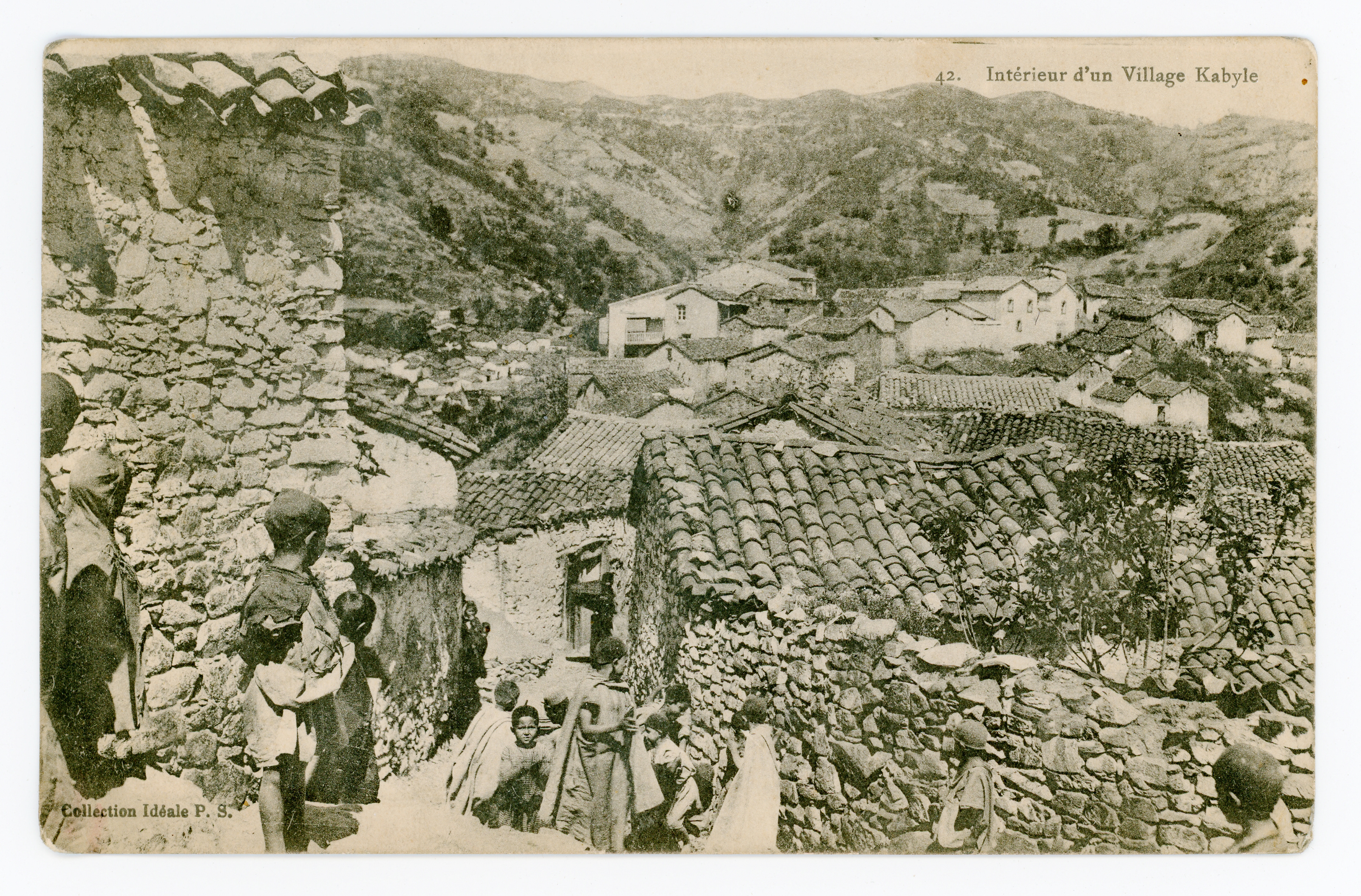
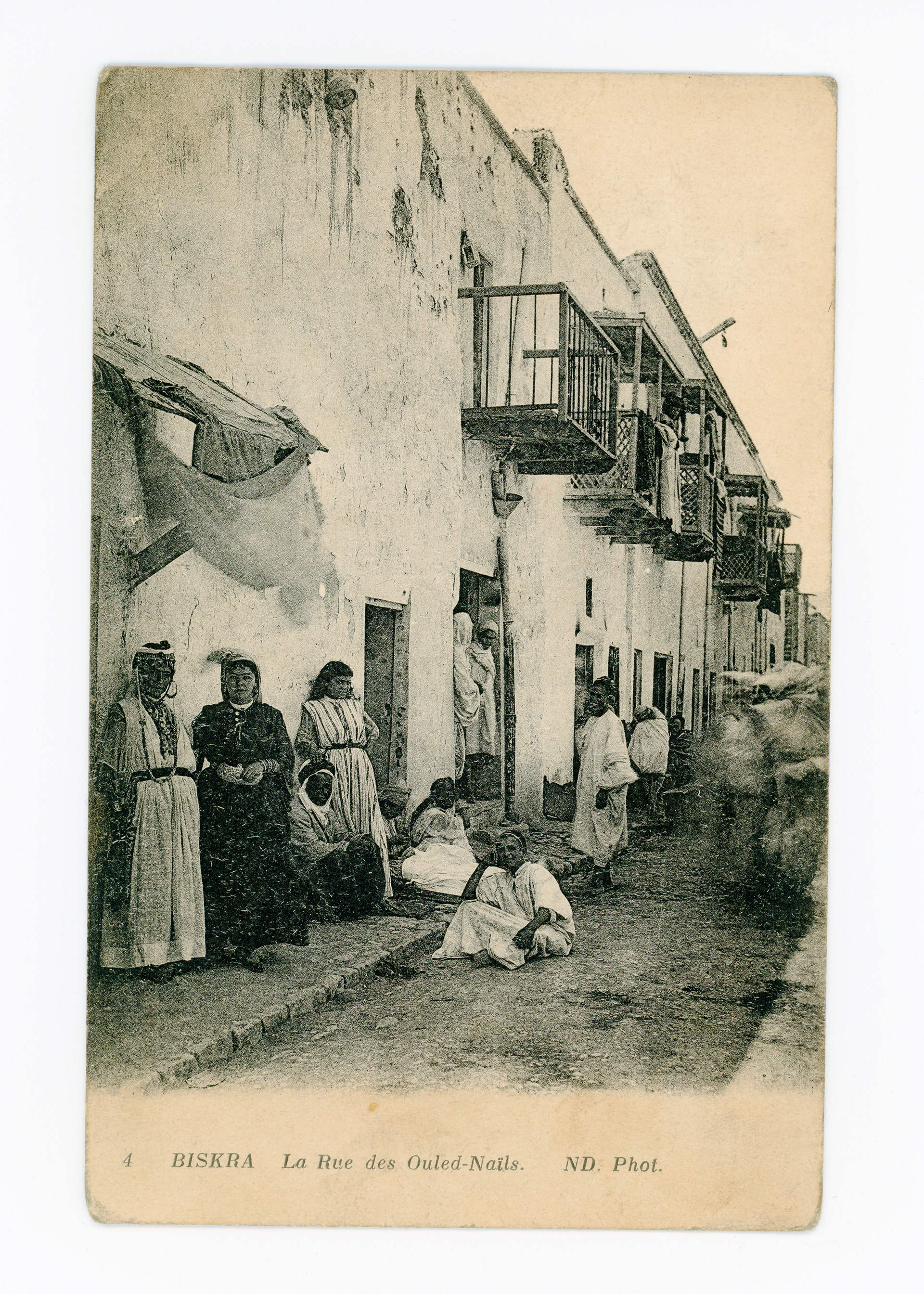
Let me tell you about how I figured out the crazy part (so far) of Heinrich's story. A reminder, he's my grampa Steve's uncle and the guy who fought for the German's. (On a related note, James built a family tree of the people I've mentioned so far, in case you lose track. I'll add to it as we reference more people.)
After my sisters and I found the box of German letters at my parents' house, I ended up taking it home to dig into when I had more time. The low hanging fruit were the postcards since they tell a story in pictures – no German required. There are three like the one I shared earlier that show bombs being dropped, and there are a few other religious ones. But then there were two particularly curious postcards that showed black and white photographs. One is of a small town street and another is more of a village vista, but they don’t look like Europe. The people pictured are wearing robes and head coverings. On the front of the postcards is writing in French, and on one, my eye was drawn to the word “Kabyle.” My first thought was that was the French word for Kabul, but remembering back to my WWI history I didn’t think there was fighting in Afghanistan in the first war.
When I flipped them over, the writing on the back is particularly hard to decipher. It’s written in pencil against a beige background and on one of them it looks like some of the writing has been erased. That’s when my jaw hit the floor. In the top right of that postcard is a purple postage stamp that reads, in English: “No charge for postage. Prisoner of war letter.” After seeing that I searched online for Kabyle and discovered it’s a town in Algeria. A little more Googling and I found that the French sent some German POWs to camps in Algeria. Both of the postcards are addressed to Franz in Cleveland and on both of them you can see Heinrich's name. It sure looked like Heinrich was a POW in Algeria.
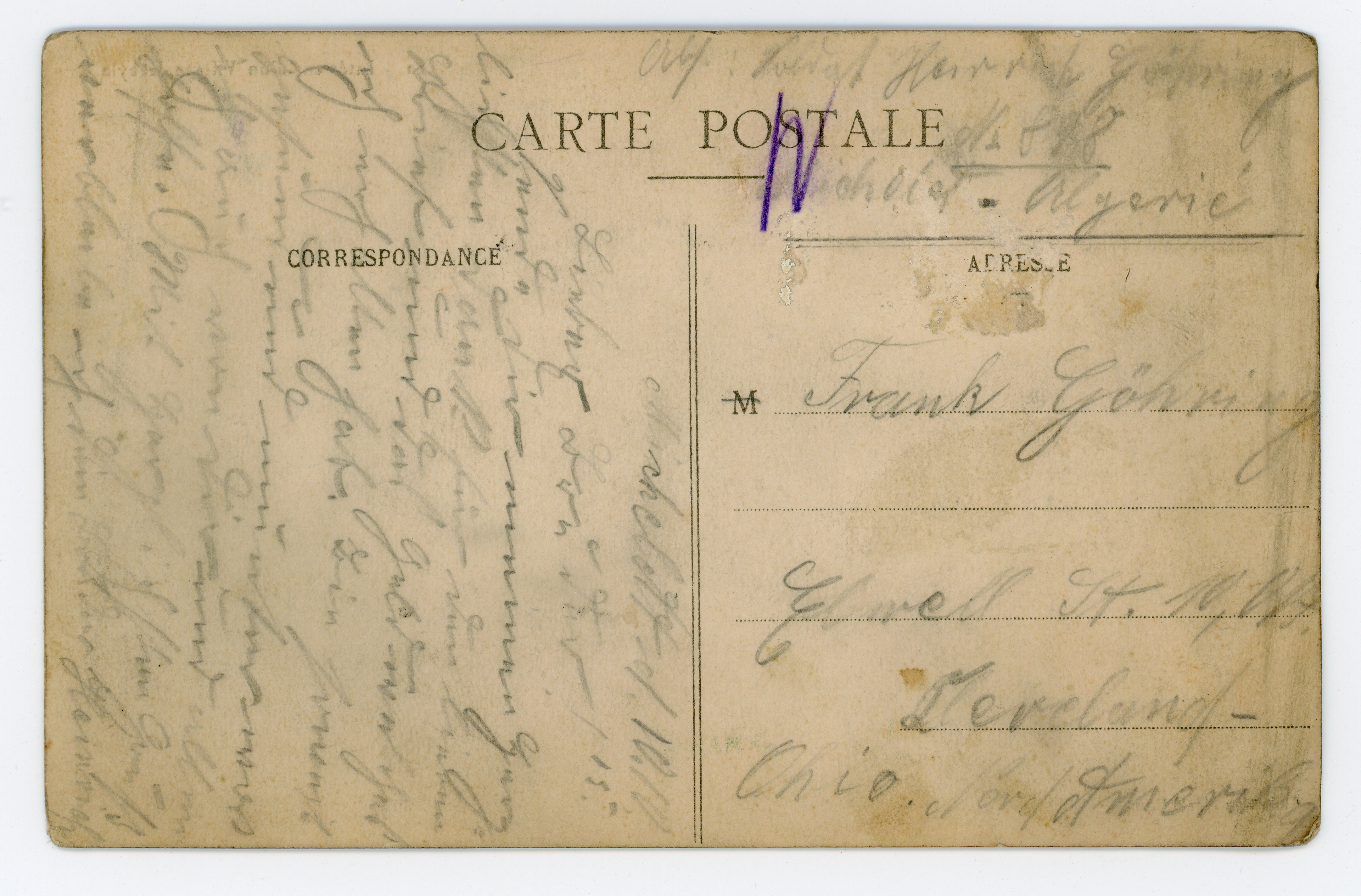
The backside of the Kabyle postcard
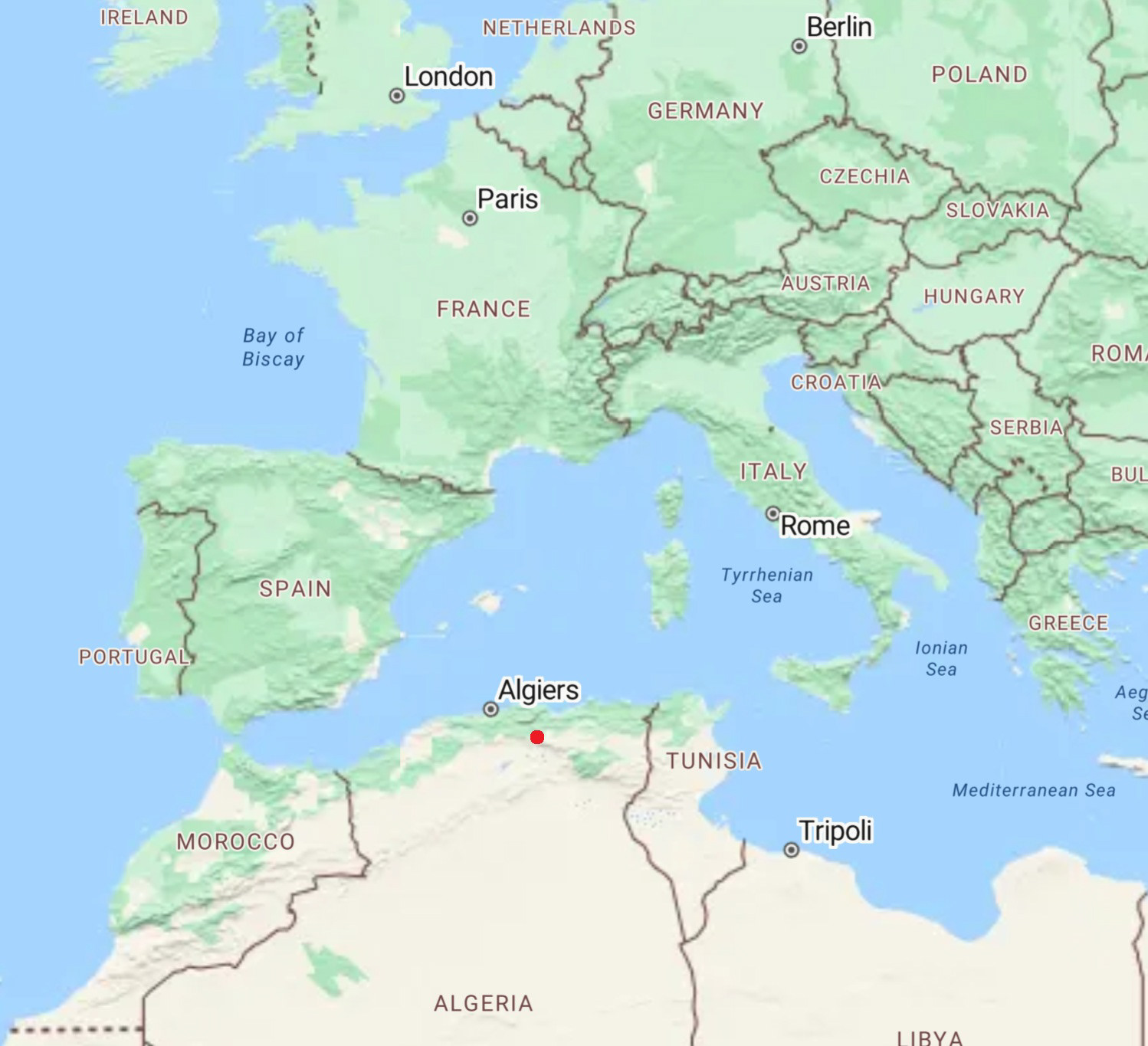
Heinrich was near the red dot
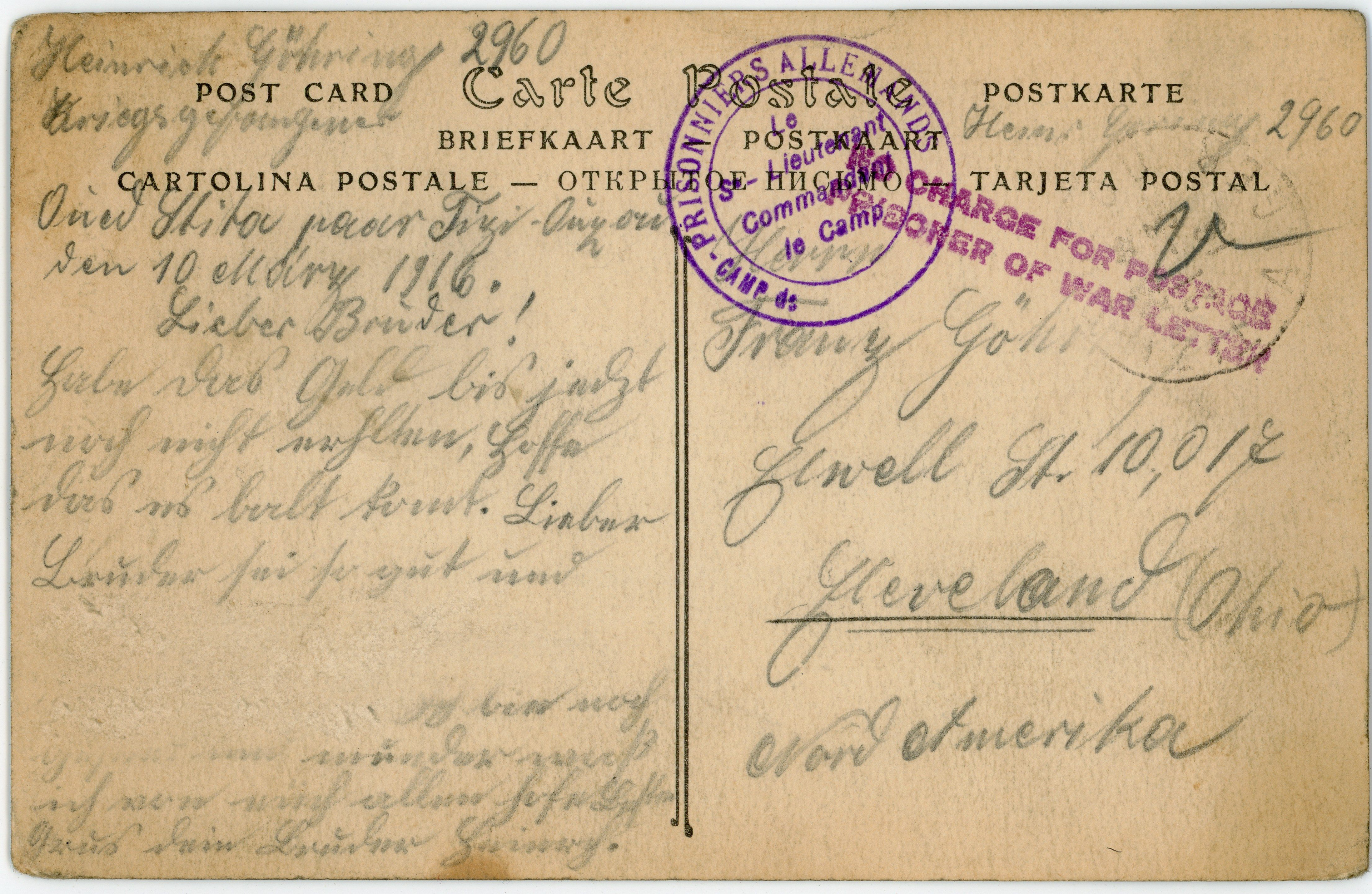
The backside of the Biskra postcard
Remember in my previous blog post I referenced being able to make out a couple of words that hinted at another piece of the puzzle? Near the end of that postcard you can pretty clearly make out "Algerien" and "Afrique." While the date on that postcard is pretty hard to decipher, it's signed by Rosa (Heinrich's and Franz's sister) and I imagine it references Heinrich being at the camp.
James is still translating letters using the kinda crappy online process but he's caught up to this period of time (the letters date back as far as 1894). Rosa sends a flurry of letters to Franz starting in late December 1914 and into the first couple months of 1915 and they offer a bunch more detail about Heinrich. She repeats herself in some, apparently unsure if previous letters have made it to Franz. One of her letters, from February 1915 breaks the news of Heinrich's capture. Rosa writes: "I would have written to you earlier, but I had no time, and when I had a few free moments, they were too exhausted to write. Heinrich has been away since August 6, and on October 7, he was taken into French captivity."
Then there are some bits of the letter that our poor man's translation process didn't do great at but you can make out the word Marseille and then "at the beginning of December a letter arrived from Algeria informing us that he was in Tizi Ouzou."
This is when things start to get weird. In the same letter, poor Rosa writes that she received a letter from Heinrich but she's super confused. "It further mentioned how the tobacco harvest had turned out for us and whether any buyers had been there... which immediately seemed suspicious to us, since he had not yet cultivated any tobacco, and the letter was not written by his hand either."
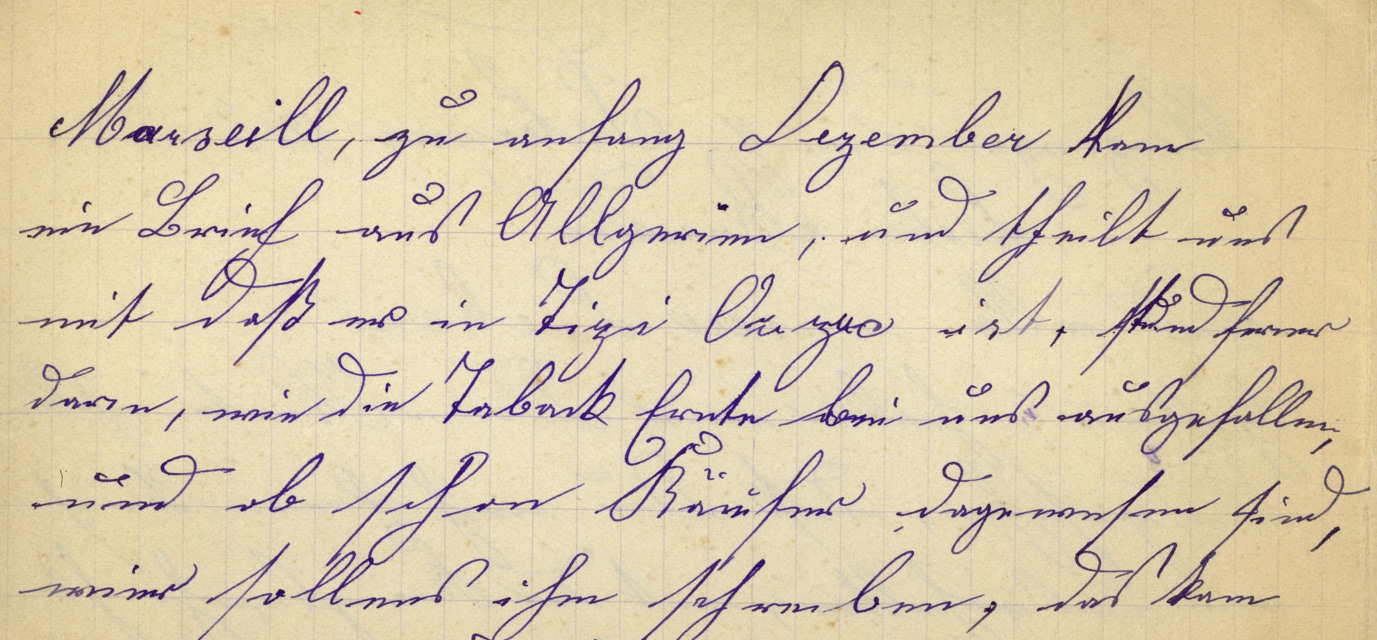
A snippet of one of Rosa's letters
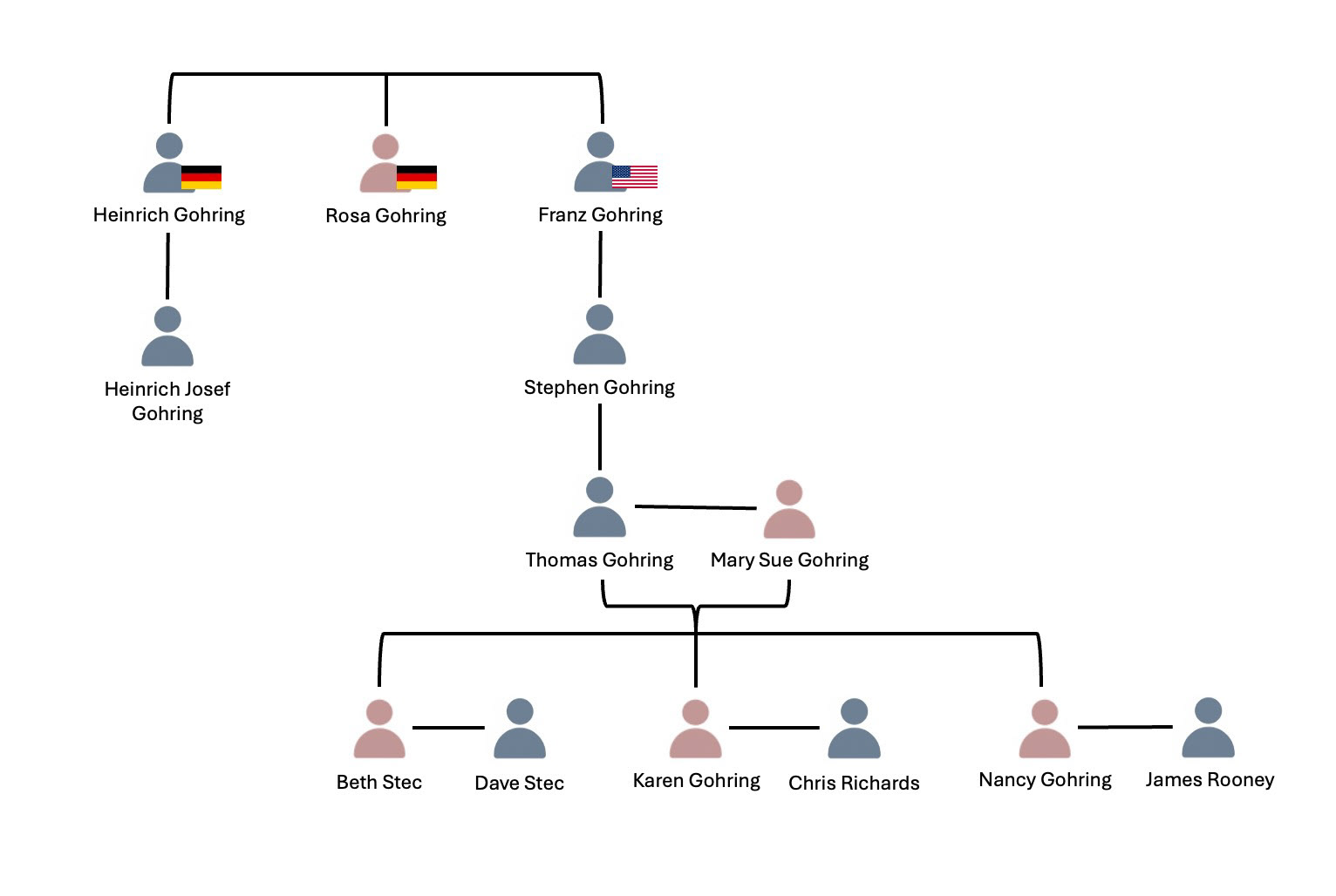
Cast of characters so far
She references receiving multiple letters from Heinrich that aren't in his handwriting. He asks for money, "but as one hears, they do not receive it," she writes. Someone in town says that her husband writes from a POW camp every two weeks and that she has successfully sent him money and a package. "We would gladly send Heinrich something, if only we knew if he really is the one," Rosa says.
"On January 8, another letter arrived from Algiers, but again it was not Heinrich's handwriting. In it, a lot is requested that we should send him, especially money... He believes he has been abandoned by the whole world, for he has already written many times and received nothing."
Rosa tells Franz that she has been asking around, writing letters to various people and also the Red Cross looking for information about Heinrich. Heinrich's wife, according to Rosa, receives a letter from someone whose husband is also in Tizi Ouzou, Algeria. Her mail doesn't seem to be reaching her husband but his letters are reaching her. She has asked her husband if he's seen Heinrich but hasn't heard back. Rosa writes: "They say that he died of starvation in captivity. But we cannot know that." In two other letters Rosa repeats this fear. "In the whole town, people say he died in captivity of hunger." She says that she's written to Heinrich to ask if there's some reason his letters are in someone else's handwriting, like if he can't write, because they can't send more to him if they aren't sure it's him.
"What misery the war has already brought so far, and what will it still bring, I believe even much more than so far," Rosa writes.
And yet in the midst of that misery, some big happy news. It seems that while Heinrich has been away, his wife has a baby. "On December 31, a little prince was born... and on New Year's Day he was baptized, called Heinrich Josef, and so far, thank God, he is healthy." In a previous letter Rosa also mentioned the birth. "How happy [Heinrich] would be if he knew!"
One more observation. According to the history books (or Wikipedia), WWI started on July 28, 1914. If Rosa's information is correct, Heinrich was sent to war nine days after it started. And then got captured within two months and sent to Algeria. That must have been pretty crazy -- for Heinrich and his family. Their worlds, just like so many others' across Europe and the USA, changed really dramatically really quickly.
In my next post I'll share more about Heinrich's movements based on some digging I've done on the International Committee for the Red Cross's website, which required the warring countries to submit pretty meticulous records about the whereabouts of prisoners. Fun fact: there were A LOT of Gohrings, with lots of different spellings, captured in the war.
Sign up for updates. Share this post on socials.