Even though it was only a year ago, my memory of cleaning out the house is hazy. Anyone who's been through this knows what it's like, feeling a bit numb and shocked and yet anxious and uncertain about how to go about dealing with what's left behind.
In my memory, cleaning the house out had different categories of work. There was getting stuff nobody wanted or needed out. And there was setting aside great stuff to be examined later. That was the fun bit and the part that I remember trying not to spend too much time on because there was so much to do and it could be done later. But it was really hard to come across a box of letters written in German and not want to try to decipher them.
I found the letters inside a bigger box of photos and other bits and bobs, including a really fancy photo album that clearly came from Germany. It has photographs that look to date to the late 1800s and are marked by the German photography studio where they were taken. One of the photos helped us make a major connection, but I'll set that story aside for another day.
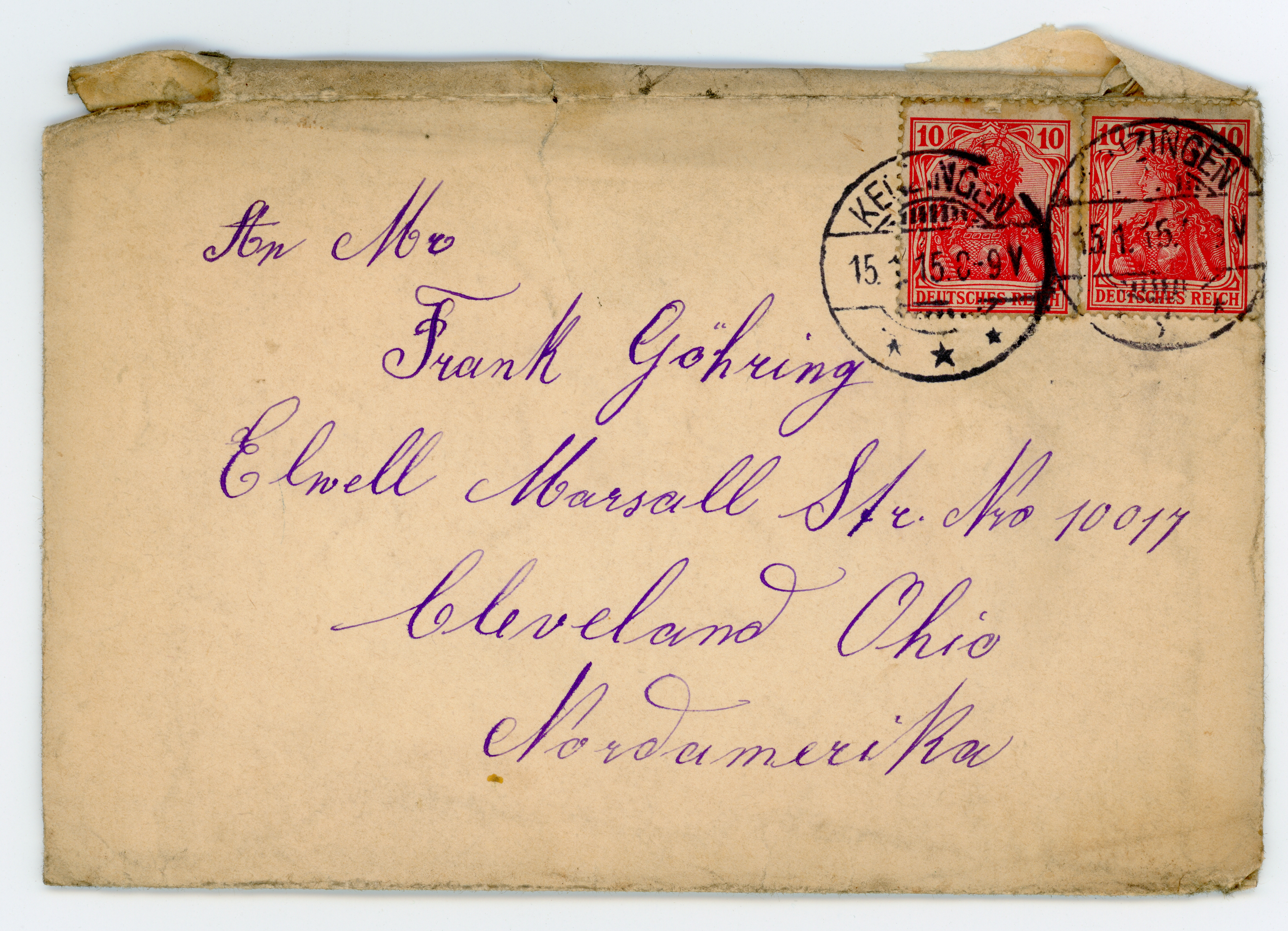
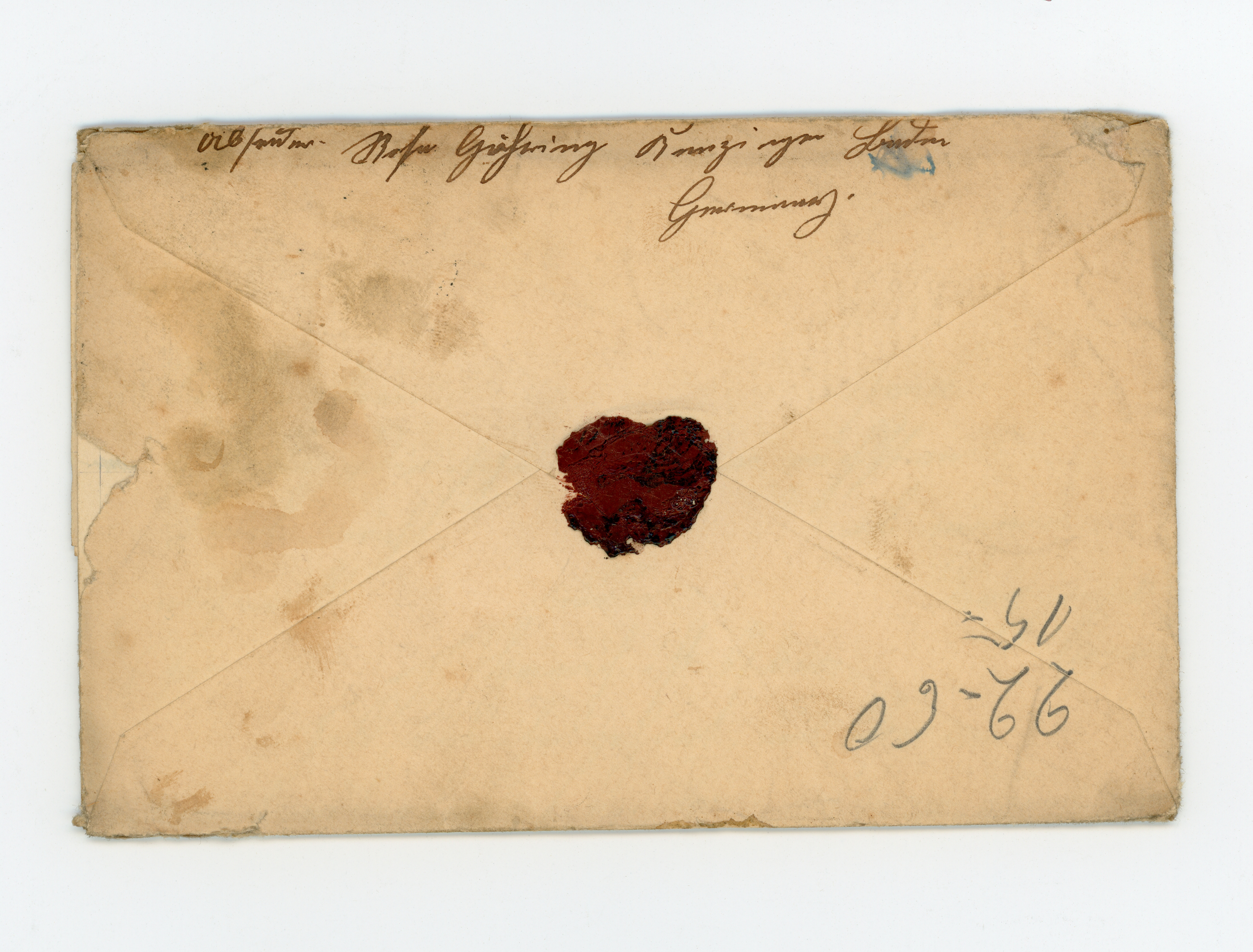
Inside that larger box was a small white one with a lid. I opened it and saw it stacked with very old letters in envelopes, some with those red wax seals that you see in the movies and careful, inky script. I initially mostly just looked at where they were sent to and from. They're all addressed to Franz or Frank in Cleveland. At the time I had no idea who he was, I'd never heard mention of a Franz Gohring. Thanks to my cousin who has done genealogy research online, I soon discovered that he was my great grandfather, my grandpa Steve's dad, who emigrated to the states around 1895 (allegedly to dodge the German draft).
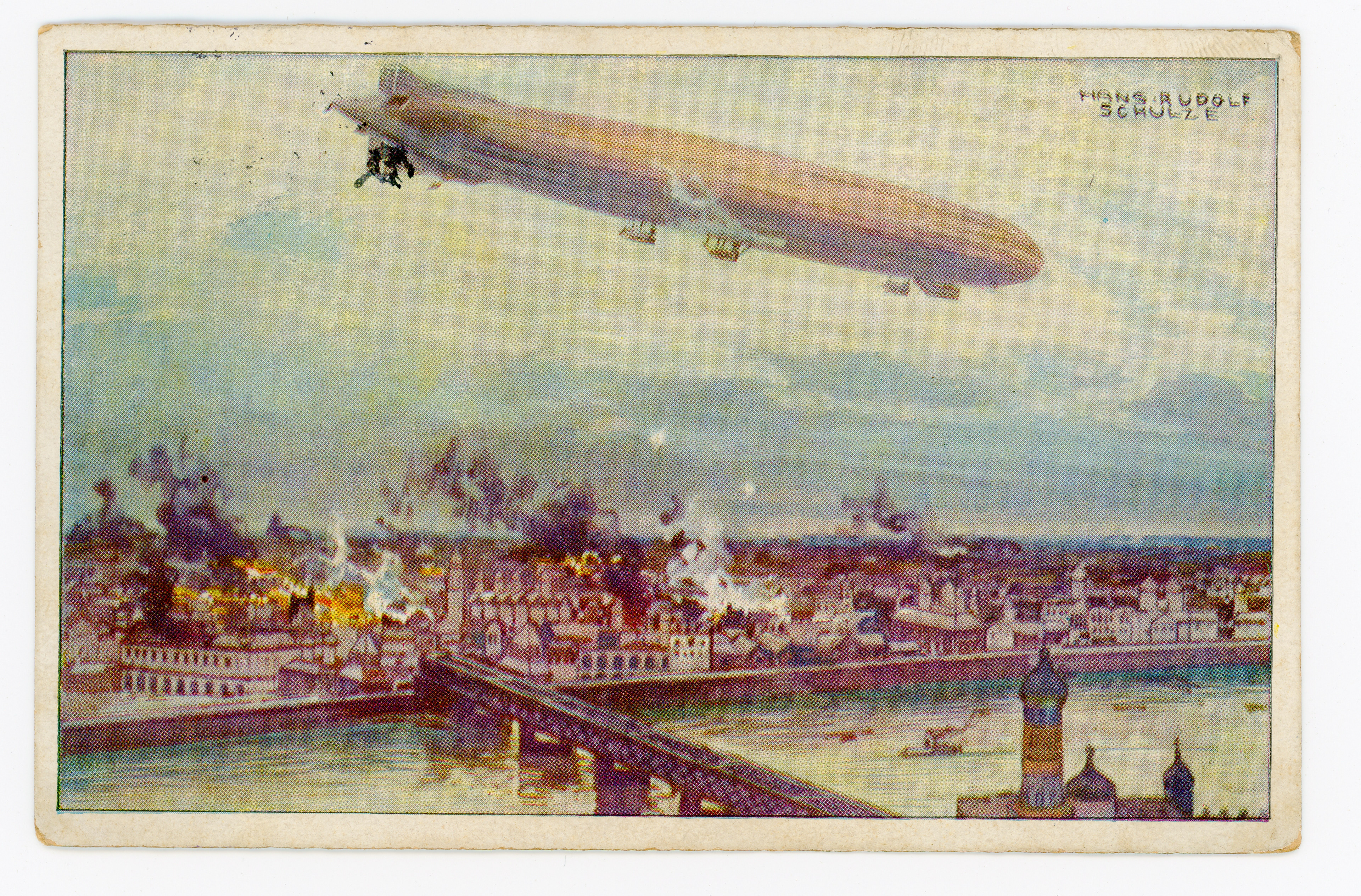
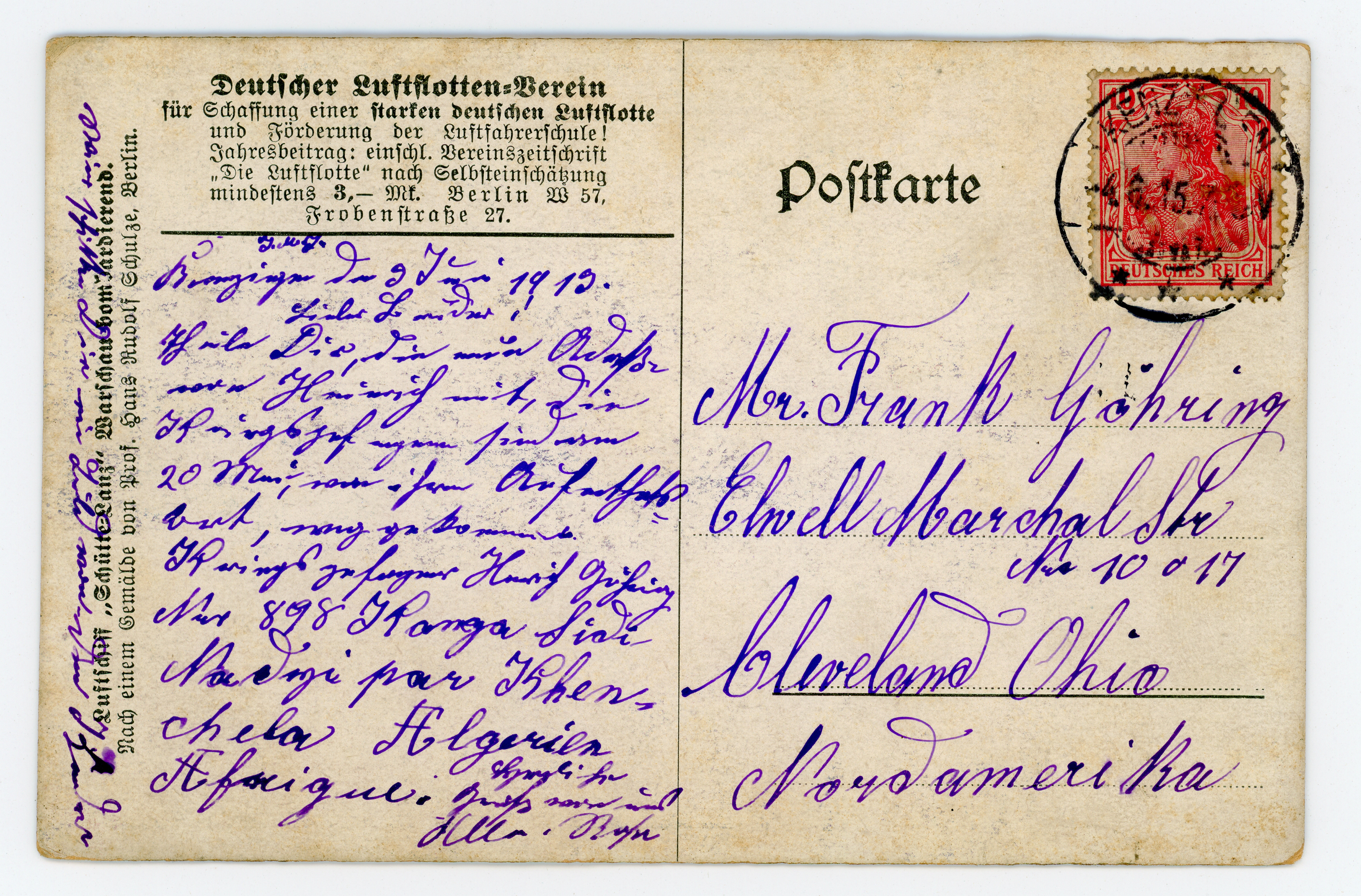
But in the middle of the stack there was a handful of postcards, and I didn't need to be able to read the German to get a hint of what they were about. There are three or four like the one pictured above that clearly show Germans bombing cities during the war.
At the time I thought, holy shit, these must be from someone Franz knows who is fighting for the Germans! I already knew that my grandpa had fought in the war. Some of the letters I'd seen were sent from someone named Heinrich so I immediately wondered if Franz had a brother or other relative fighting against his own son, my grandfather, in the war. Imagine living in the U.S. and getting postcards like this one that show the enemy dropping bombs (when the enemy is actually your country of birth). It couldn't be a good look, to be receiving mail from the enemy.
I haven't really been able to fully translate this postcard but I can make out a couple of words near the end that I think hint at another amazing story that I began to piece together with another of the postcards. More about that in a post soon. And while it's hard to make out the date, it doesn't look like 1918 or 1919, so it was probably sent before the U.S. entered the war, meaning that at least when this postcard was sent, my grandfather hadn't yet been sent over.
Meanwhile, we've done a lot of experimenting with the easiest way to translate these letters to at least get a feel for what they say. We wanted to know whether these were really boring letters or if they told a story worth retelling. We learned pretty quickly that using Google or Bing Translate is practically useless. So is using ChatGPT or Perplexity -- both of those clearly make up totally random stuff. I experimented with prompting, instructing it not to make up anything, but that's still hit or miss. The time it took to try to check the validity of the translation -- given that I have less than a kindergartener's level of German language skills -- meant it wasn't worth the time.
My husband has come up with a process that's time consuming and definitely not perfect but we at least are getting the gist of the story, and it's all free. He starts with Transcribus, a site that uses AI to transcribe text, including written in Kurrent, the obsolete script that our letters are written in. Once the letters are transcribed, he uses Bing Translate, which seems to do a better job than Google or the GenAI sites, to translate to English.
What we have now is a really rough idea of my great uncle's war experience as well as the struggles of his family. James has still only gotten through maybe half of the letters so there's a lot more to learn. Ultimately we'd like to have them properly translated by a human to get a more accurate translation.